October 26, 2026
How to Get a Job in Ireland in 2026: The Step-by-Step Guide
The complete job search for Ireland in 2026: work permits, the Irish CV format, where to actually find vacancies, which employers sponsor, and how long it realistically takes.
Getting a job in Ireland in 2026 comes down to six steps: confirm your right to work, build an Irish-format CV, search in the right places, target employers that already sponsor permits, apply in volume with tracking, and prepare for Irish-style interviews. From abroad, a realistic timeline is three to six months.
Step 1: Confirm your right to work
Everything else depends on this, so do it first. EU, EEA, UK and Swiss citizens can work in Ireland with no permit. Everyone else needs an employment permit tied to a specific job offer, and Ireland has no self-sponsored or points-based route.
The two permits that matter are the Critical Skills Employment Permit (salary from EUR 40,904 for occupations on the Critical Skills list, no labour market test, family joins immediately) and the General Employment Permit (from EUR 36,605, usually with a four week advertising test). Our Irish work permit guide compares both with current processing times, and the Critical Skills permit page explains the occupation list in detail.
Step 2: Build an Irish-format CV
Irish recruiters skim a CV in about twenty seconds, and the format they expect is specific: two A4 pages, single column, reverse chronological, no photo, no date of birth, no marital status. Experience is written as results with numbers, not duties.
If you are applying from abroad, add one line on work authorisation in the header, for example "eligible for the Critical Skills Employment Permit". Leaving it out is one of the most common reasons international applications are quietly rejected. Start with the free Irish CV templates, check your layout against the worked Irish CV examples, and run the finished version through the free ATS analysis before you send it anywhere.
Step 3: Search where Irish employers actually post
The big four for Ireland are IrishJobs, Indeed Ireland, LinkedIn and JobsIreland (the public employment service, strong for hospitality, retail and entry roles). For tech, pharma and finance, company career pages often post roles days before the boards. Set alerts for your exact job title plus "Dublin", "Cork", "Galway" and "remote Ireland", and check them daily: good roles in Ireland can close within a week.
Recruitment agencies fill a large share of professional roles. Our guide to recruitment agencies in Ireland lists the main ones by sector and how to brief them.
Step 4: Target employers that already sponsor
If you need a permit, do not spray applications at every employer. The Department of Enterprise publishes every company granted an employment permit: 16,063 named Irish employers between 2024 and 2026, led by health, hospitality and technology. A company that sponsored last year knows the process and is far more likely to do it again.
You can search all of them by name on our free companies that sponsor visas in Ireland database, and the visa sponsorship jobs guide shows how to approach them from abroad.
Step 5: Apply in volume, and track everything
Job searching is a numbers game with a quality filter. A workable rhythm is ten to fifteen tailored applications a week: same CV skeleton, summary and skills rewritten to mirror each advert. Keep a simple tracker with the company, role, date, contact and follow-up date. One follow-up five to seven working days after applying is fine and often moves you up the pile.
Your cover letter matters more in Ireland than in many markets, especially for graduate roles, career changes and anywhere you need to explain relocation. The Irish cover letter guide has the four paragraph format and a free template.
Step 6: Prepare for Irish-style interviews
Irish interviews are conversational but structured: expect competency questions ("tell me about a time when...") answered with the STAR method, plus direct questions about your notice period, salary expectations and work authorisation. Have a one-line, confident answer for your permit situation. The interview preparation guide covers a two-hour preparation method, and the questions Irish employers ask in 2026 lists what to practise.
How long does it take?
For candidates already in Ireland, six to twelve weeks from first application to offer is typical for professional roles. From abroad with sponsorship involved, plan for three to six months: the job search, interviews, the permit queue and the entry visa all add up. Our data-backed breakdown is in how long it takes to find a job in Ireland.
Want a coach to review your plan?
If you want an honest read on your CV, your target roles and your timeline, book a free 30 minute consultation. We review every request personally and will tell you straight whether coaching would actually help you.

Written by
Hugo F
Founder of HULA Career Coaching. Helping international professionals land jobs in Ireland, the UK and Europe.
Frequently asked questions
Can foreigners get a job in Ireland?
Yes. EU, EEA, UK and Swiss citizens can work freely. Everyone else needs an employment permit tied to a job offer, most commonly the Critical Skills Employment Permit (from EUR 40,904) or the General Employment Permit (from EUR 36,605). Ireland granted over 26,000 permits in the first eight months of 2026 alone.
What is the best site to find jobs in Ireland?
IrishJobs and Indeed Ireland carry the most vacancies, LinkedIn is strongest for professional and tech roles, and JobsIreland is the public service with more entry-level and hospitality roles. For tech, pharma and finance, company career pages often post roles before the boards.
How long does it take to get a job in Ireland from abroad?
Plan for three to six months: six to twelve weeks of searching and interviewing, then the permit queue (about 8 days for Critical Skills and 32 days for a General Employment Permit in September 2026) and an entry visa if your nationality needs one.
Do I need to speak Irish to work in Ireland?
No. English is the working language in almost every Irish company. Irish is required only for some public sector and teaching roles. What employers do expect is strong professional English, and your CV and interview are where they judge it.
Related guides
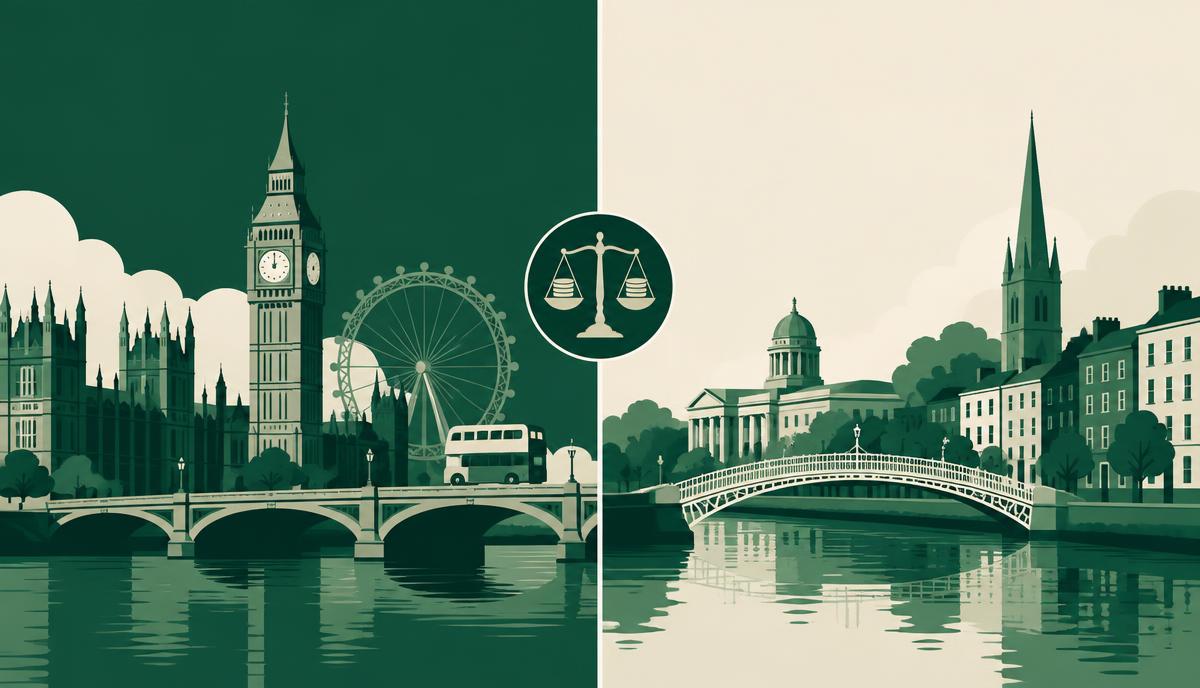
London vs Dublin 2026: Cost of Living, Salaries and Which Pays Off
A side by side comparison of rent, tax, childcare and salaries in London and Dublin in 2026, and how much you keep at the end of the month in each.
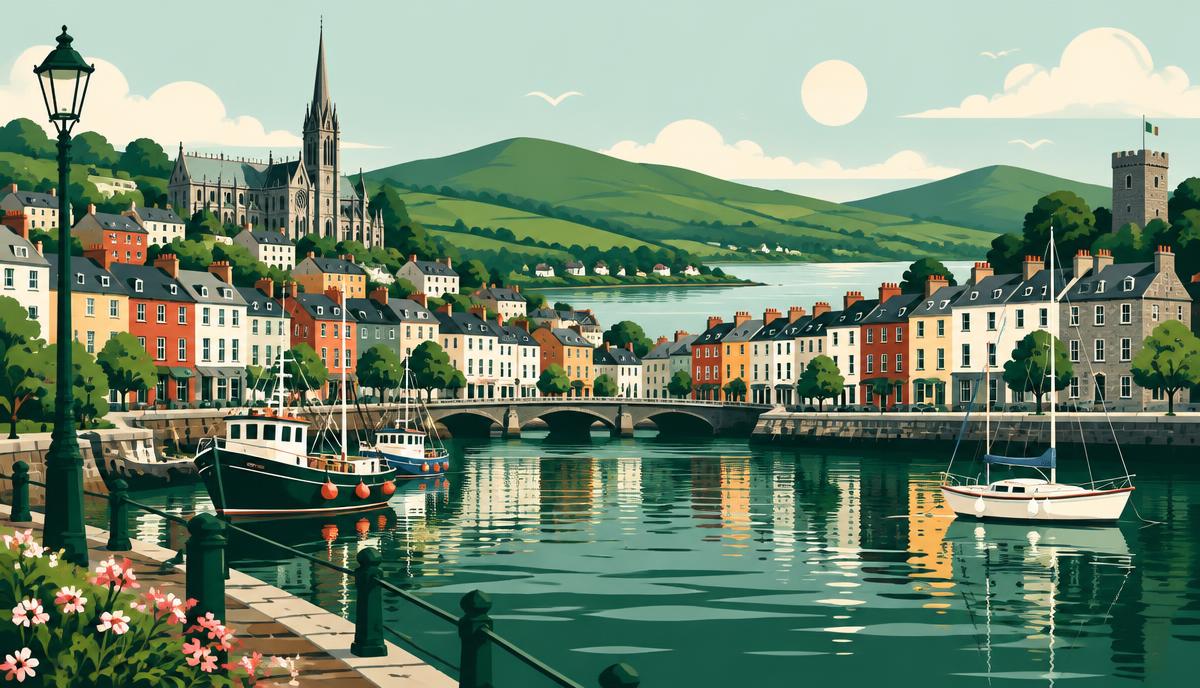
Cost of Living in Cork and Galway 2026: Cheaper Than Dublin, but How Much?
Rent, bills and salaries in Cork and Galway in 2026, how much less you need than in Dublin, and which employers actually hire there.
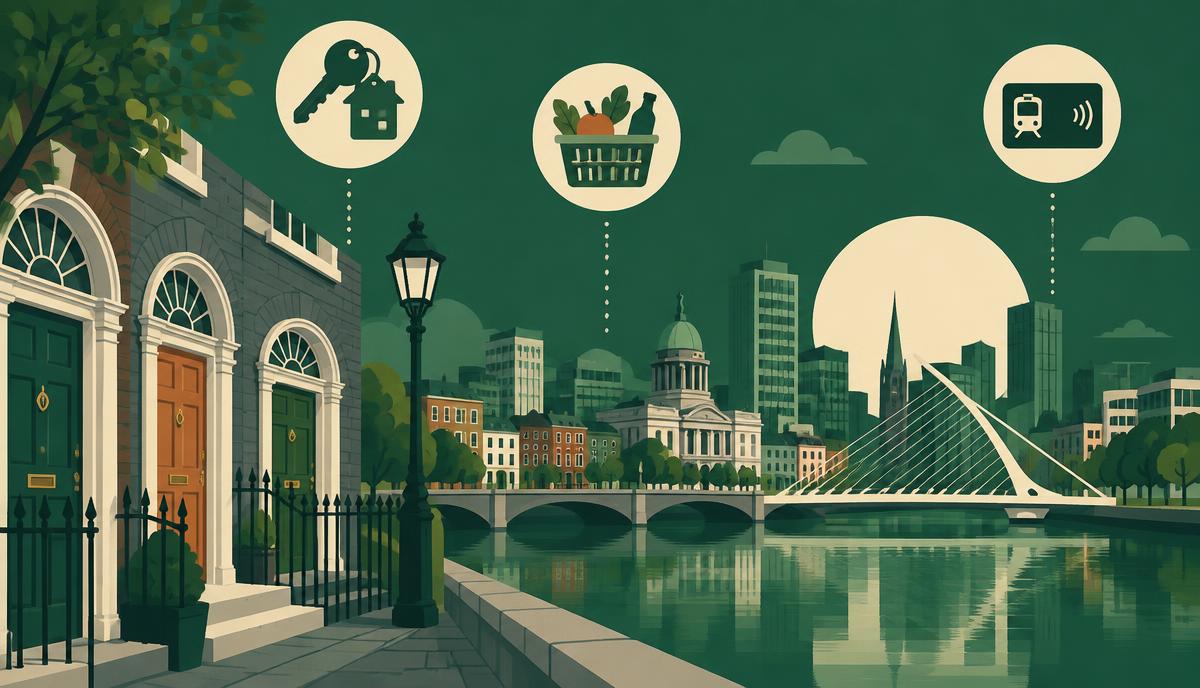
Cost of Living in Dublin 2026: The Salary You Actually Need
What rent, bills, transport and groceries really cost in Dublin in 2026, and the gross salary a single person, a couple and a family need to live without stress.
Never miss an Ireland job market update
One email a month: newly added visa sponsor companies, salary data, work permit processing times and practical job search tactics.
By subscribing you agree to receive marketing emails from HULA Career. Unsubscribe any time.